Home / Straight Answers / Fixed rate break fees
Straight Answers · Refinancing
Will I get hit with break fees if I break my fixed rate early?
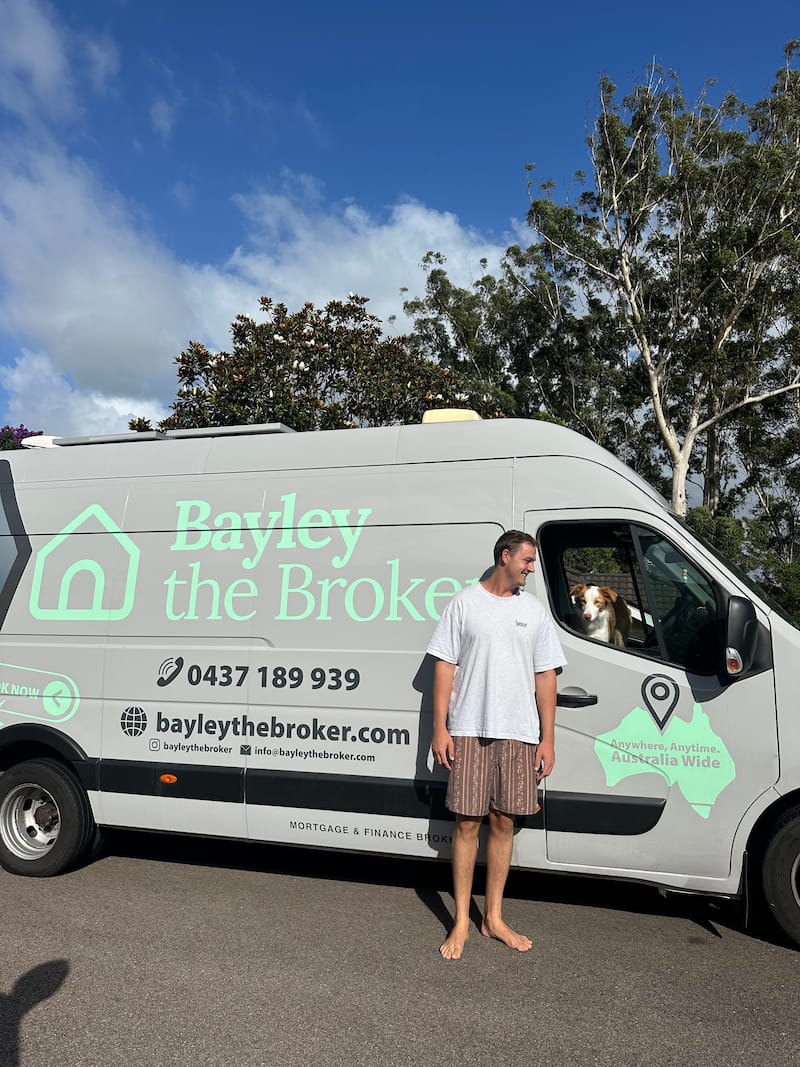 Bayley Clarke · Mortgage broker on the road · Last checked 1 November 2026 · 3 min read
The short answer
Long story short, maybe. It's maybe and not yes or no because it depends on what the bank can lend that money out again for, based on where rates are sitting now compared with when you fixed.
If rates have gone up since you fixed, the bank is itching for you to break it, and more than likely there's no break cost. If rates have dropped since you fixed, there's going to be a break cost, because the bank was counting on you staying put.
The 90 second version, filmed from the driver's seat. The rest of this page is the detail underneath it.
Why the bank charges a break cost at all
When you fix, the bank locks in its own funding for that period so it can guarantee your rate. It's counting on earning your fixed rate for the full term. If you break early, what it can earn on that money for the rest of the term decides whether it's out of pocket.
So the break cost isn't a penalty for leaving. It's the bank recovering what it loses when you walk out of a deal it planned around. If it loses nothing, there's generally nothing to recover.
When rates have gone up since you fixed
Say back in the glory days of COVID you fixed for four or five years at a really low rate, and rates have since climbed well above it. If you want to break early, the bank is itching for you to. It can lend that money out again at today's higher rates and make more, so more than likely there's no break cost.
That said, some lenders still charge a smaller early repayment or admin fee when you break, even if the break cost itself comes to nothing. So ask for the full number, not just the break cost.
When rates have dropped since you fixed
Flip it around. If you fixed high and rates have since dropped, there's going to be a break cost. The bank was counting on you paying that higher rate for the full term, and now it can only lend that money out again at the lower rate. Technically it works the cost off the change in its own fixed funding costs for the time left on your fix, not the variable rate, so the exact number has to come from the bank.
The bigger the drop and the longer you've got left, the bigger the cost generally is. A fix with a few months to go usually costs a lot less to break than one with three years left on it, and the more you owe, the more it scales up.
The honest bit: get the number before you decide
Break costs can be anything from nothing to a figure big enough to wipe out the savings of switching. There's no way to know without asking your bank for a quote on the day, because it moves with the market.
So you've got to weigh up the trade-offs: the break cost against what a better rate or a better structure saves you over the time left on your fix. That's part of the fun I get to do as your mortgage broker.
Thinking about breaking your fixed rate?
A 30 minute call. We get the break cost from your bank and weigh it against what switching actually saves, so you know if it's worth it.
No cost to you. The bank pays me when a loan settles. · How I get paid
Next question
My fixed rate is ending in a few months. What should I do to get ready?Do nothing and on expiry day you roll onto your bank's revert variable rate, whatever they set it at, usually above what new customers get.
Related answers
The full guide: Your fixed rate is ending: the 90 day plan Should I go fixed or variable? Rates went up again. Should I fix? What does refinancing actually cost? Is it worth refinancing for a 0.25% rate difference?Not your question? Book a call and ask it, or call 0437 189 939.