Home / Straight Answers / Offer before selling
Straight Answers · Next home
Can I make an offer before I've sold my place?
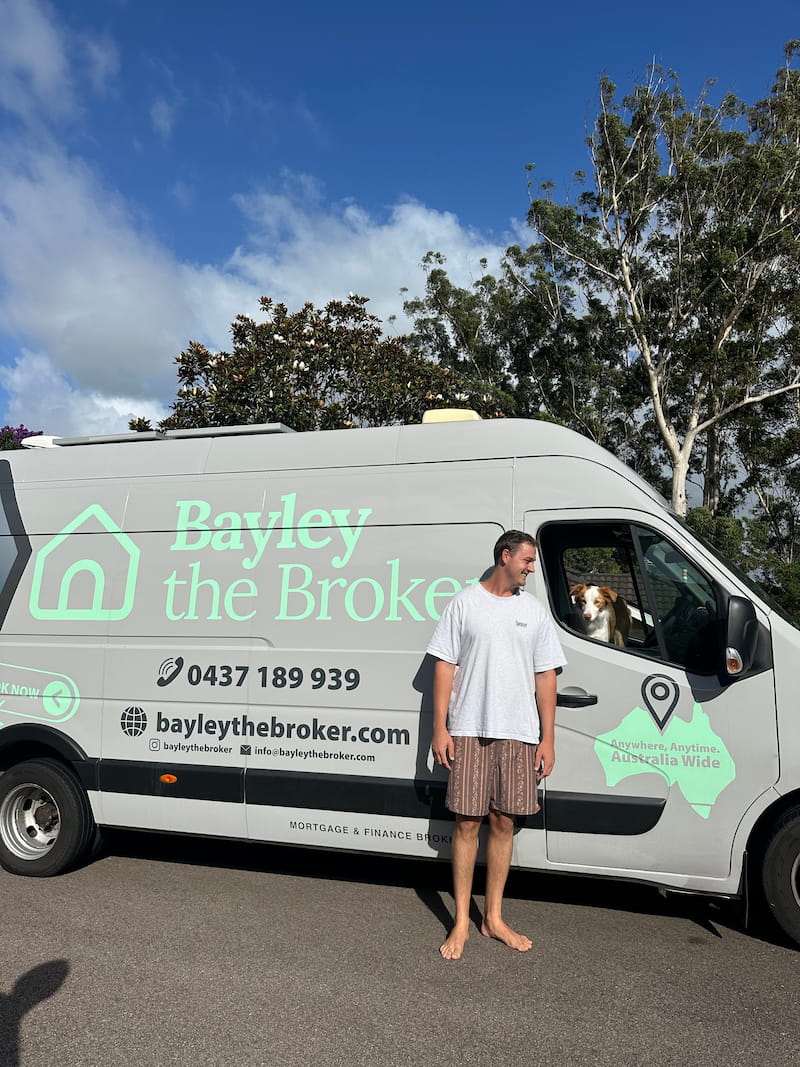 Bayley Clarke · Mortgage broker on the road · Last checked 3 September 2026 · 3 min read
The short answer
Yes, you can. You can make an offer subject to sale. However, those offers often sit at the bottom of the stack when an agent is presenting offers to the owner.
There's a lot of risk for the owner to accept it, because they're relying on you finding a buyer and getting your place sold before you can go unconditional on theirs. Owners still accept these offers all the time. They're just not seen as very competitive, especially when there's another buyer without the condition.
The one minute version. The rest of this page is the detail underneath it.
Why subject to sale sits at the bottom of the pile
The reason is there's just a lot of risk for the owner. They're relying on you having to go through the whole open home process, find a buyer for your place, get it sold, in order for you then to become unconditional or fully agreed to the purchase of the new property. Their sale is hostage to your sale.
So generally those offers are not highly regarded. If there are two offers on the table and one of them has no sale condition, the agent's job is to point the owner at that one, even if yours is a little higher. That's not personal. It's what they're paid to do.
Of course we still see it happen. Owners accept offers like that all the time, particularly in a slower market or on a property that's been sitting. If the place has been listed for a while and you're the only serious buyer, a subject to sale offer can absolutely land.
The three alternatives
If you have the option to explore alternatives that aren't subject to sale, you can go down that path. The first is bridging finance, where a lender funds the new purchase before your current place sells, on the basis it sells within a set window. You pay a bit of a premium as a cost of convenience, for the luxury of buying before you've sold. That has its own pages: do I have to sell first and peak debt versus end debt.
The second is selling first, then buying. Cleanest from the bank's side, and you know exactly what you've got to spend. The cost is you may need somewhere to live in between, and you're buying under a bit of time pressure.
The third is lining up the sale and the purchase on the very same day for settlement. No bridging, no rent in between. It's a lovely outcome when it works and incredibly hard to time, which is why plenty of people pay for bridging instead.
The honest bit: the condition that protects you is the one the seller hates
Subject to sale exists for a good reason. Without it, you can end up owning two properties with one income, and no guarantee the first one sells for what you thought. Dropping the condition to make your offer look stronger only makes sense if you've already got the bridging approval or the cash to carry both.
So before you take the condition off, know which of the three alternatives you can actually fund. That's a numbers conversation, and it's a short one.
Want to know which path you can actually afford?
A 30 minute call. Your current loan, your likely sale price, the next purchase, and whether bridging, selling first or a same day settlement is the one that works on your numbers.
No cost to you. The bank pays me when a loan settles. · How I get paid
Related answers
The full guide: Buying your next home Do I have to sell my current home before I buy the next one? Can we afford to buy before we sell? (peak debt vs end debt) Do I have to sell, or can I keep this place as a rental? Rentvesting: buy the investment first and keep renting. Does it work?Not your question? Book a call and ask it, or call 0437 189 939.